
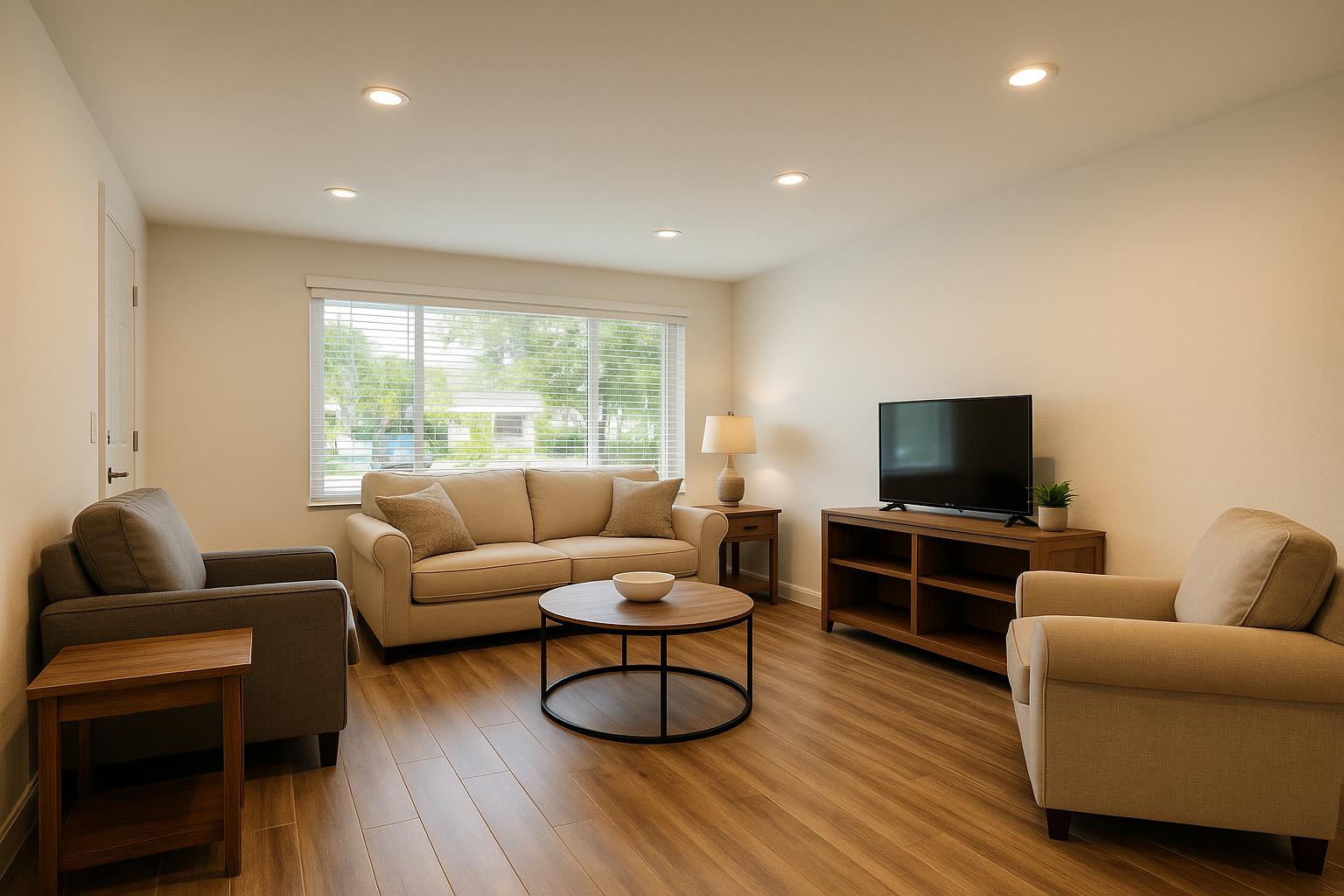
Why Coral Springs Homeowners Are Converting Their Garages
If you've ever looked at your garage and thought, "We could really use this space for something better," you're not alone. Across Coral Springs and throughout South Florida, homeowners are discovering that their underused garages hold enormous potential. Whether you need a home office, an in-law suite, a playroom for the kids, or a rental unit to generate extra income, a garage conversion can be one of the most cost-effective ways to add functional living space to your home.
Unlike a full room addition that requires new foundation work and roofing, a garage conversion works within an existing structure. That means shorter timelines, lower costs, and less disruption to your daily life. But that doesn't mean it's a simple weekend project. A well-planned garage conversion requires careful thought about permits, design, climate control, and how the finished space will integrate with the rest of your home.
Step 1: Understand Local Permit Requirements
Before you pick out paint colors or flooring, the first step in any garage conversion is understanding what the City of Coral Springs and Broward County require in terms of building permits and code compliance. This is not a step you want to skip. Unpermitted work can lead to fines, complications when selling your home, and even orders to reverse the renovation.
Key considerations include:
- Zoning regulations: Some neighborhoods in Coral Springs have HOA restrictions or zoning rules that dictate how your property can be used. Verify that a garage conversion is allowed before you invest in planning.
- Parking requirements: Local codes may require a minimum number of off-street parking spaces. If converting your garage eliminates required parking, you may need to create a new driveway pad or carport.
- Building permits: Any structural, electrical, plumbing, or HVAC work will require permits and inspections. Working with a licensed remodeling contractor ensures everything is filed correctly and passes inspection the first time.
At View Room Addition Co, we handle the permitting process for our clients so they can focus on the exciting parts of the project rather than the paperwork.
Step 2: Design the Space With Purpose
A successful garage conversion starts with a clear vision for how the space will be used. The design decisions you make early on will affect everything from the layout to the budget. Here are some of the most popular uses we see among homeowners in Coral Springs and surrounding communities like Parkland and Coconut Creek:
- Home office or studio: With remote work becoming a permanent fixture for many professionals, a dedicated home office with proper lighting, outlets, and soundproofing is in high demand.
- In-law suite or guest quarters: Adding a bedroom, bathroom, and small kitchenette creates a private living area for aging parents or visiting family members.
- Family room or entertainment space: A media room, game room, or playroom gives your family more room to spread out without feeling cramped.
- Rental unit: In areas where housing demand is high, a converted garage can serve as a rental space that generates monthly income. Be sure to check local regulations regarding accessory dwelling units.
Whatever the purpose, think about how the converted space will connect to the rest of your home. Will there be an interior doorway? Will the exterior still look cohesive with the rest of the house? These details matter for both livability and resale value.
Step 3: Address the Floor, Walls, and Ceiling
Most garages weren't built for comfortable living, so transforming one into a finished room requires upgrades to the basic structure.
Flooring
Garage floors are typically bare concrete that sits lower than the rest of the home. You may need to raise the floor to match interior levels or add a subfloor system to accommodate tile, laminate, or luxury vinyl plank flooring. In South Florida's humid climate, moisture barriers are essential to prevent mold and damage over time.
Walls and Insulation
Garage walls are often unfinished or minimally insulated. Proper insulation and drywall installation are critical for comfort and energy efficiency, especially during our hot and humid summers. If you plan to include plumbing for a bathroom or kitchenette, the wall framing stage is when those rough-ins need to happen.
Ceiling
Depending on your garage's existing ceiling height and structure, you may have options for a standard drywall ceiling, a drop ceiling for easy access to utilities, or even an exposed beam look for a more modern aesthetic. Recessed lighting is a popular choice that keeps the space feeling open.
Step 4: Plan for Climate Control
This is one of the most important considerations for any garage conversion in Coral Springs. Florida's heat and humidity mean that a converted garage without proper climate control will be miserable to use for most of the year.
Options include:
- Extending your existing HVAC system: If your current system has enough capacity, adding ductwork to the new space may be the most seamless solution.
- Installing a mini-split system: A ductless mini-split is an efficient and popular choice for garage conversions. It provides independent temperature control without the need to modify your home's existing ductwork.
- Upgrading insulation: Regardless of which cooling system you choose, high-quality insulation in the walls, ceiling, and garage door area (if you're keeping the opening sealed) is essential for keeping energy costs manageable.
Step 5: Handle the Garage Door
One of the biggest visual and structural decisions in a garage conversion is what to do with the garage door opening. You have two main options:
- Remove the door and frame in a new wall: This is the most common approach. The opening is framed, insulated, and finished with drywall on the inside and matching exterior siding or stucco on the outside. You can add windows to bring in natural light and maintain curb appeal.
- Keep the door functional: In some cases, homeowners want the flexibility to use the space as a garage again in the future. Insulated garage doors with weatherstripping can work, though this approach limits climate control efficiency.
For most homeowners we work with in Coral Springs and nearby areas like Margate and Tamarac, a permanent wall with windows provides the best combination of aesthetics, insulation, and long-term value.
What Does a Garage Conversion Cost?
Costs vary widely depending on the scope of work. A basic conversion with flooring, drywall, lighting, and climate control might start in the range of $15,000 to $25,000. Adding a bathroom, kitchenette, or high-end finishes can push the total to $30,000 to $50,000 or more. The good news is that garage conversions typically offer a strong return on investment because you're adding livable square footage at a fraction of the cost of a ground-up addition.
We always recommend getting a detailed estimate from a licensed contractor who can assess your specific garage, discuss your goals, and provide a transparent breakdown of costs before work begins.
Ready to Transform Your Garage?
A garage conversion is one of the smartest ways to maximize your home's potential without the complexity of building from scratch. Whether you're in Coral Springs, Deerfield Beach, or anywhere in the surrounding area, View Room Addition Co has the experience to guide you through every step of the process, from initial design and permitting to the final walkthrough.
If you've been thinking about turning that cluttered garage into something your family will actually enjoy, contact us today for a free consultation. We'll help you explore your options and create a plan that fits your lifestyle and your budget.